

An immigration DNA test can help establish a claimed biological relationship when birth records, civil documents, or other evidence do not adequately connect a petitioner and beneficiary. The process is voluntary supporting evidence, usually started after written direction from USCIS, a U.S. embassy, or a consulate.
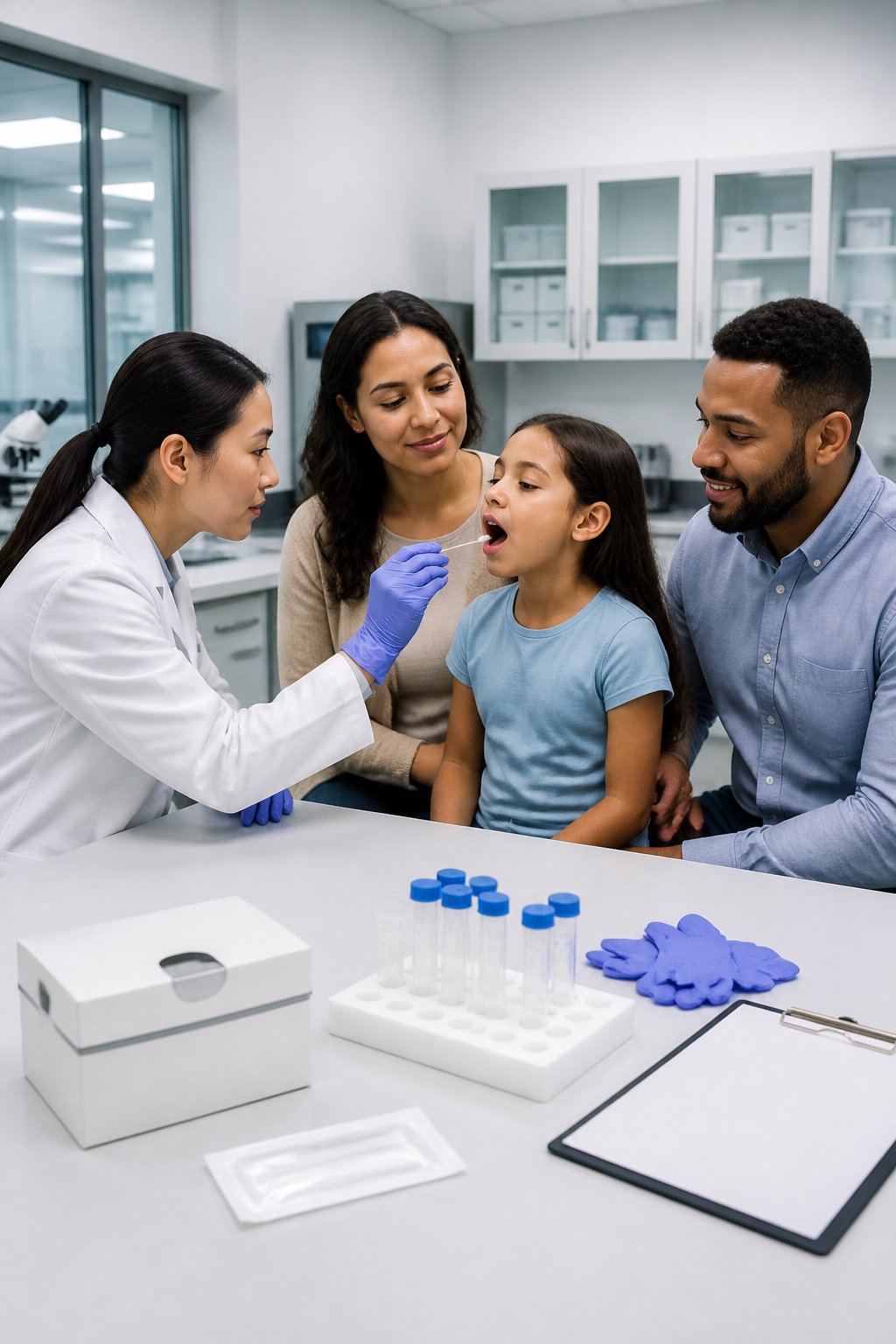
Use an AABB-accredited laboratory and supervised DNA sample collection when an agency requests genetic evidence. A consumer ancestry kit or self-collected swab does not provide the identity checks and chain of custody required for an immigration case.
Immigration DNA testing can support family reunification, an immigrant visa application, citizenship documentation, or a Consular Report of Birth Abroad. It confirms a biological relationship that falls within the test performed, while the agency decides how that evidence affects your case.
When Is DNA Evidence Needed for an Immigration Case?
USCIS, the United States Citizenship and Immigration Services, or a U.S. embassy may suggest DNA testing when submitted documents do not reliably establish the claimed family relationship. Written instructions should guide the test, participants, and delivery of results.

The reason for testing can involve missing civil records, inconsistent information, unavailable documents, or records that do not meet the agency’s evidentiary needs. Read every notice carefully before scheduling collection.
Requests From USCIS, a U.S. Embassy, or a Consulate
USCIS may mention DNA testing in a Request for Evidence, or RFE. An RFE is a written notice asking you to provide additional evidence by a stated deadline.
A U.S. embassy, U.S. consulate, or another consular office may give separate instructions during a visa or citizenship-related process. Follow the named agency’s directions about the laboratory, people to test, identification, and result submission.
How an RFE Affects a Family-Based Petition
An RFE does not mean DNA testing is the only possible response. You may have other acceptable evidence, depending on the notice and your case.
If you choose DNA testing, provide the RFE to the laboratory before collection. The petitioner, the person filing the family petition, and the beneficiary, the relative seeking the immigration benefit, must be identified correctly in the case records.
Cases Involving an Immigrant Visa, CRBA, or Passport
DNA testing may support an immigrant visa application when documentary evidence does not establish the biological relationship between the petitioner and beneficiary. A consular officer determines whether testing is appropriate and explains the collection process.
For a CRBA, or Consular Report of Birth Abroad, DNA evidence can assist with a claimed parent-child relationship when other records are insufficient. Passport agencies and consular offices also provide case-specific instructions, so obtain written direction before arranging collection.
Which Family Relationships Can DNA Testing Establish?
Relationship testing can establish certain biological connections, with parent-child testing providing the clearest evidence. The laboratory selects the test based on the relationship named by the requesting agency.

Paternity testing examines an alleged father and child. Maternity testing examines an alleged mother and child. Sibling, grandparent, and other indirect tests use shared genetic patterns and may require additional relatives to improve the analysis.
Paternity Testing for a Parent and Child
A paternity test compares the child’s DNA with the alleged father’s DNA. Testing the child, alleged father, and mother can provide a stronger analysis when all participants are available.
The test can support a biological father-child claim for a family petition, visa application, CRBA, or related agency matter. Your written instructions should identify the relationship that needs verification.
Maternity Testing When Maternal Records Are Insufficient
Maternity testing compares a child’s DNA with the alleged mother’s DNA. It can help when a birth record or other document does not adequately establish the maternal relationship.
The collection process verifies each person’s identity and records the case connection. The report addresses the tested biological relationship, not custody, legal parentage, or eligibility for an immigration benefit.
Sibling DNA Testing When a Parent Cannot Test
Sibling DNA testing compares the genetic profiles of two or more people who claim to share a parent. Full-sibling and half-sibling analyses use different relationship models.
This approach may help when the alleged parent is unavailable for testing. Ask the requesting agency whether sibling testing is acceptable for your case before collection, since indirect testing requires careful review.
Grandparent DNA Testing and Other Indirect Relationships
Grandparent DNA testing examines whether a child shares a biological connection with a claimed grandparent. Testing additional close relatives can strengthen the analysis when the parent cannot participate.
Agency acceptance depends on the case and the relationship being claimed. Confirm the requested relationship with USCIS or the consular office before paying for an indirect DNA relationship test.
How the Controlled Collection and Testing Process Works
An immigration test follows a documented process from case review through official result delivery. Identity verification, supervised cheek-swab collection, chain of custody, and secure reporting protect the value of the DNA evidence.
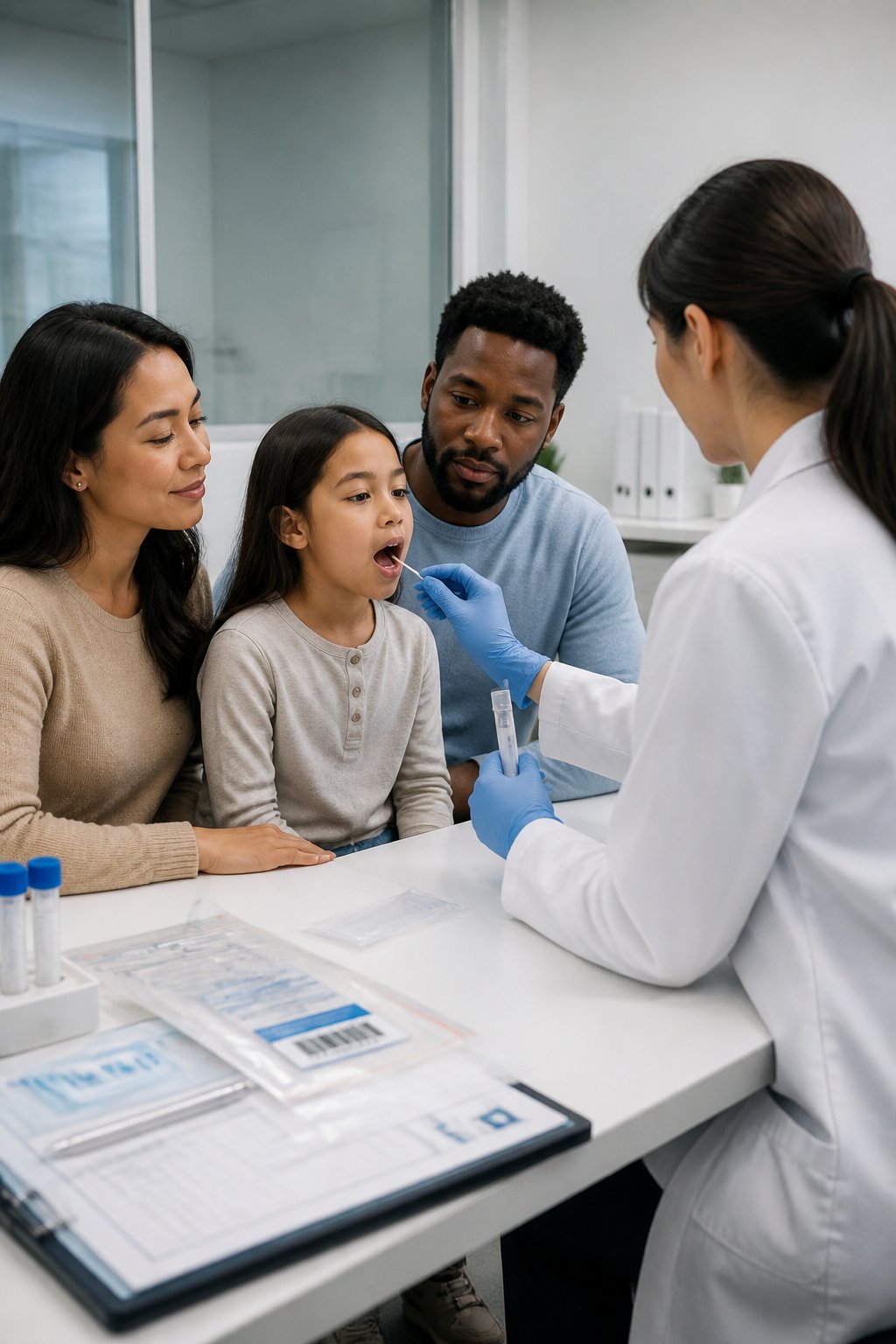
A standard consumer kit does not provide the same safeguards. Use the agency notice and laboratory instructions to avoid collecting the wrong sample or sending results through an unapproved channel.
Starting With an AABB-Accredited Laboratory
Begin with an AABB-accredited laboratory or a provider that coordinates testing through one. AABB accreditation reflects specific standards for relationship testing, identity controls, records, and laboratory quality.
Give the laboratory your RFE, embassy letter, or other agency request. Staff can confirm who must test, where each person lives, and how the completed report should reach USCIS or the consular office.
What Happens at a DNA Collection Appointment
At a DNA collection appointment, an authorized collector checks identification, confirms case details, and takes a buccal swab, also called a cheek swab. The collector places each DNA sample in labeled packaging and documents the collection.
Bring the identification and paperwork listed in your instructions. Arrive with enough time for identity review, signatures, photographs, or other controls required by the case.
How Chain of Custody Protects the DNA Specimen
Chain of custody is the written record showing who collected, handled, transferred, and received each DNA specimen. It connects the tested person to the sample and helps prevent substitution or confusion.
Collectors seal samples, record identifying details, and use controlled shipping procedures. Keep appointment records and tracking information until the agency confirms receipt.
DNA Analysis and Official Result Delivery
The laboratory performs DNA analysis after receiving and reviewing the specimens. Immigration DNA test results state the statistical support for the tested relationship and identify the participants.
The laboratory or its case coordinator sends the official report through the approved process, which may include direct delivery to USCIS, an embassy, or a consulate. Ask whether you also receive a copy and how it should be matched to your case number.
What Changes When a Family Member Is Outside the United States?
International immigration DNA testing requires coordination between the U.S. collection site, the overseas collection office, and the laboratory. The beneficiary follows collection instructions from the designated U.S. embassy, consulate, or approved local facility.

Location affects appointment scheduling, identity documents, shipping, language support, and communication with the migration office. Provide accurate contact details for every participant before the kit is arranged.
Domestic Collection for the Petitioner
The petitioner in the United States attends a supervised DNA sample collection appointment at an authorized location. The collector verifies identity and records the connection between the petitioner and the immigration case.
Bring the agency notice, government-issued identification, and any case number requested by the laboratory. The U.S. sample is sealed and sent through the controlled process.
Embassy or Consular Collection for the Beneficiary
The beneficiary outside the United States receives collection instructions from the U.S. embassy, U.S. consulate, or designated office. The overseas collector verifies identity and supervises the cheek-swab or other approved DNA specimen collection.
Do not send a self-collected sample from overseas unless the agency and laboratory expressly authorize that method. Follow the appointment notice for documents, fees, and arrival procedures.
International Shipping and Case Coordination
The laboratory coordinates international shipping and tracks the specimens as they move between collection sites and the testing facility. Staff may communicate with the embassy, consulate, migration office, petitioner, and beneficiary.
Give the provider enough time to resolve address or scheduling problems before a visa deadline. Keep copies of every notice and notify the coordinator promptly if a participant’s contact information changes.
Choosing DNA Paternity Solutions for a Carefully Managed Case
DNA Paternity Solutions supports immigration testing through controlled collection, secure handling, and case coordination designed for agency-directed relationship evidence. You can review its services at DNA Paternity Solutions.
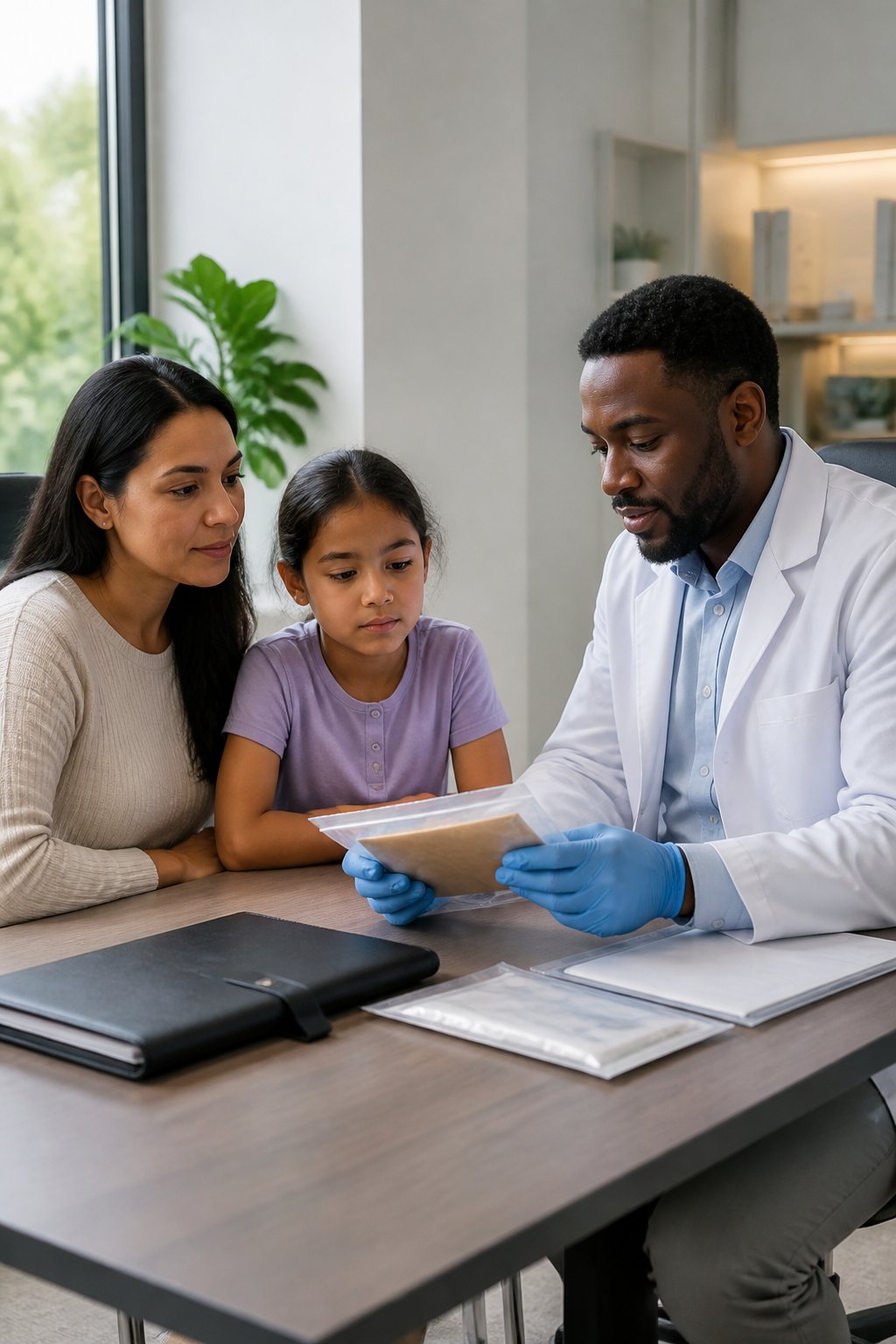
The provider’s role is to manage the testing process and report the laboratory findings. USCIS, the Department of State, an embassy, or another agency decides how those findings affect your application.
Experience With Immigration Relationship Testing
A provider familiar with immigration DNA testing understands the difference between a personal test and an agency-directed test. The team can review your written request, identify the required participants, and coordinate domestic or international collections.
Ask which laboratory performs the analysis and whether it holds current AABB accreditation. You should also confirm how the official report reaches the requesting agency.
Attention to Detail From Scheduling Through Reporting
Careful scheduling reduces errors involving names, dates of birth, case numbers, and collection locations. Clear instructions help each participant arrive with the correct identification and paperwork.
Secure handling continues after collection through specimen tracking, laboratory review, and result delivery. Ask who will contact you if a collection appointment changes or a sample needs attention.
A 4.8-Star Google Rating and Confidential Service
DNA Paternity Solutions reports a 4.8-star Google rating, giving you an additional service-quality signal to consider. Reviews do not replace confirmation of accreditation, agency instructions, or case-specific procedures.
Confidential communication helps protect sensitive family and genetic information. Ask how records are stored, who receives the report, and how the provider limits case access.
Using DNA Evidence to Support Your Family Immigration Case
Immigration DNA test results can support a biological relationship claim when the requesting agency identifies genetic evidence as appropriate. Submit them through the exact process stated by USCIS, the consular office, or the agency handling your case.

The test does not grant citizenship, create a family relationship under every legal standard, or guarantee an immigrant visa. Keep your RFE or agency letter with the laboratory records, and confirm that the official report was received before the response deadline.
Frequently Asked Questions
Immigration DNA testing requires agency-specific instructions and controlled collection. These answers address common questions about cost, timing, test type, and appointment preparation.

How much does an immigration DNA test cost?
The cost depends on the relationship tested, number of participants, collection locations, international coordination, and processing speed. Request a written quote that separates laboratory testing, collection, shipping, and any rush or embassy-related charges.
Do I need an RFE before starting immigration DNA testing?
You need written direction from the relevant agency before relying on the test for a case, and an RFE is one common form of that direction. USCIS, a U.S. embassy, a consulate, or a passport office may provide different instructions.
Can I use an at-home DNA test for USCIS or a U.S. embassy?
An at-home ancestry or relationship test does not provide the supervised identity verification and chain of custody required for most agency-directed cases. Use an AABB-accredited laboratory and follow the collection and delivery instructions in your notice.
How long does it take to receive immigration DNA test results?
Timing depends on appointment availability, the number and location of participants, specimen delivery, laboratory processing, and agency procedures. Ask the provider for a case-specific estimate and schedule around the response or interview deadline.
Can DNA testing give me U.S. citizenship?
DNA testing cannot give you U.S. citizenship. It can provide evidence of a biological relationship in a citizenship or CRBA matter, while the responsible agency determines eligibility under the applicable rules.
What should I bring to an immigration DNA collection appointment?
Bring the government-issued identification, agency notice, case number, and other documents listed by the laboratory or collection site. Contact the provider before your appointment if your name, identification, or case information differs from the notice.